


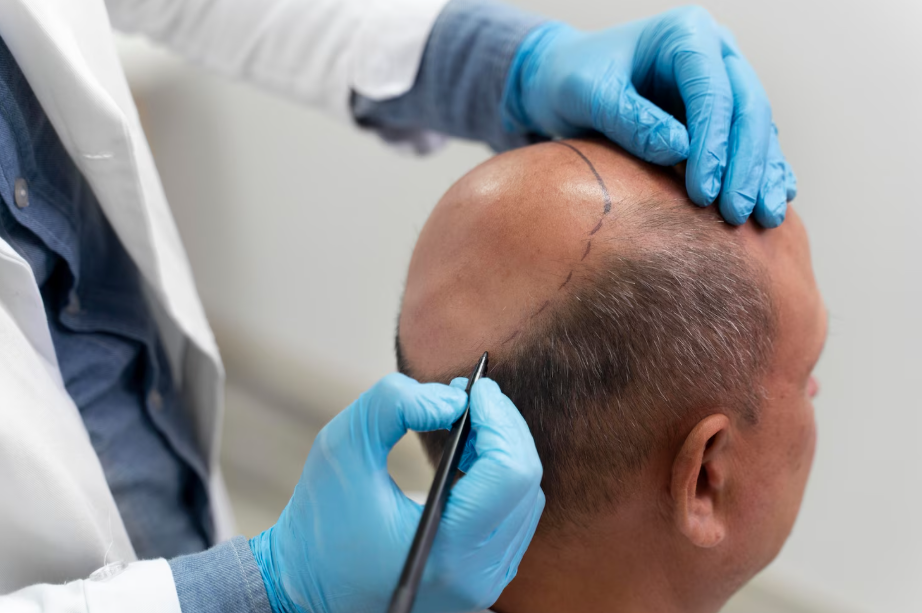
Addiction affects not only mental and emotional well-being but also physical health and personal identity. Recovery is a transformative process that focuses on restoring stability, rebuilding resilience, and regaining control over one’s life. As individuals move forward in their healing journey, many also begin addressing the visible effects that prolonged stress and substance misuse may have had on their appearance — including hair thinning or hair loss.
A structured approach to recovery, supported by professional medical guidance, lays the foundation for both internal healing and external restoration. Healthcare institutions such as Gold City provide comprehensive treatment programs designed to support long-term wellness.
Understanding Addiction Recovery
Addiction recovery is a medically and psychologically guided process that helps individuals overcome dependency on substances such as alcohol, prescription medications, or illicit drugs. Effective recovery programs are multi-dimensional and may include:
- Medical detoxification (if required)
- Psychological counseling and therapy
- Behavioral therapy
- Lifestyle rehabilitation
- Nutritional support
- Relapse prevention planning
The goal is not simply abstinence but rebuilding physical, emotional, and social health.
Structured addiction recovery programs focus on identifying underlying triggers, supporting mental resilience, and restoring overall balance.
The Physical Impact of Addiction on Hair and Appearance
Substance misuse can disrupt the body’s natural systems in multiple ways. Long-term effects may include:
- Nutritional deficiencies
- Hormonal imbalances
- Increased stress hormones
- Reduced immune function
- Poor circulation
These factors can contribute to hair thinning or increased shedding. In many cases, hair health improves once the body begins to stabilize during recovery. However, for individuals experiencing persistent hair loss, medical hair restoration may become an option after overall health is restored.
When Is Hair Transplantation Appropriate?
Hair transplantation should only be considered once a person has achieved medical stability and sustained recovery. Surgeons typically recommend that patients:
- Maintain sobriety
- Achieve stable physical health
- Correct nutritional deficiencies
- Address underlying medical conditions
- Demonstrate emotional readiness
Recovery must always come first. Cosmetic procedures should never replace or interfere with essential addiction treatment.
Modern Hair Transplantation Techniques
Hair transplantation is a surgical procedure that relocates healthy hair follicles from a donor area to thinning or bald regions. Today’s most advanced techniques include:
Follicular Unit Extraction (FUE)
Individual follicles are carefully harvested and implanted, producing natural-looking results with minimal scarring.
Direct Hair Implantation (DHI)
A refined approach that allows precise placement of follicles, enhancing density and hairline design.
These techniques provide permanent solutions for pattern baldness when performed under appropriate medical supervision.
The Psychological Connection
Addiction recovery involves rebuilding self-esteem and confidence. For some individuals, restoring hair density may support that renewed sense of self.
Hair restoration can:
- Improve self-image
- Support social reintegration
- Enhance professional confidence
- Reinforce positive lifestyle changes
However, it is important to recognize that aesthetic improvement complements recovery — it does not replace emotional healing or psychological growth.
Supporting Long-Term Wellness
After hair transplantation, maintaining overall health remains essential. Individuals in recovery should prioritize:
- Balanced nutrition
- Regular medical check-ups
- Ongoing therapy or support groups
- Stress management
- Healthy sleep habits
A stable and healthy body supports better surgical outcomes and long-term hair growth.
A Holistic Path to Renewal
Addiction recovery and hair restoration both represent processes of renewal. One focuses on internal healing and regaining control, while the other addresses external confidence.
When approached responsibly, under professional guidance, and at the appropriate stage of recovery, hair transplantation can serve as a positive milestone in a broader journey of transformation.
Final Thoughts
Addiction recovery is a courageous and life-changing commitment. It requires dedication, medical guidance, and long-term support. Once health and stability are re-established, individuals may choose to address lingering aesthetic concerns such as hair loss.
By prioritizing structured addiction recovery first and considering hair transplantation only after achieving stability, individuals can rebuild both their health and confidence in a balanced and sustainable way.
True transformation begins with healing — and from that foundation, restoration can follow.