
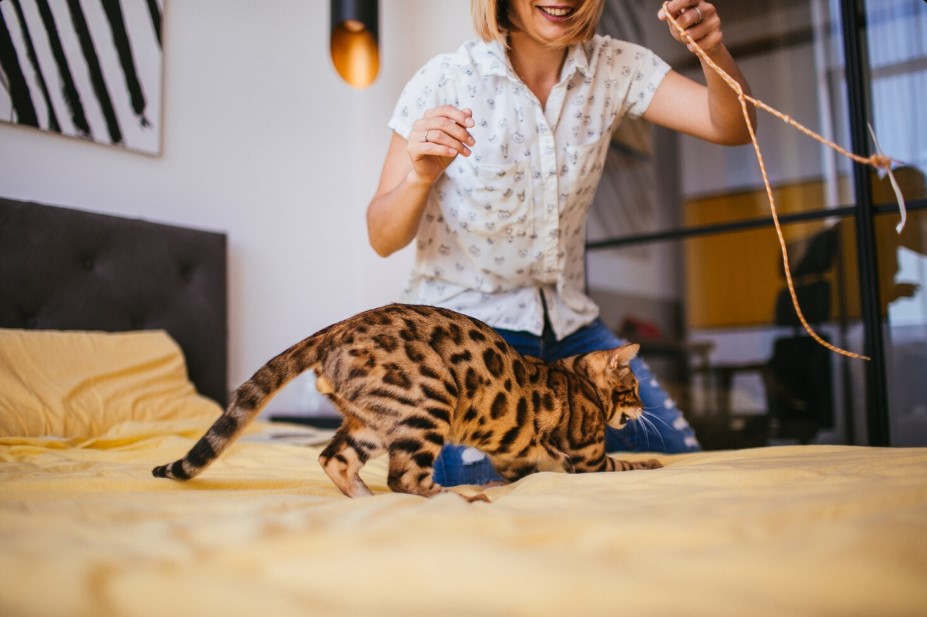
Why Cats Love Catnip Toys and How They Encourage Healthy Activity
Cats are playful, curious, and sometimes downright mischievous creatures. While every cat has its own unique personality, one thing is almost universal: the irresistible allure of catnip. For cat owners, understanding why cats love catnip toys and how they can promote healthy activity is key to keeping their feline friends engaged, happy, and physically active.
The Magic of Catnip
Catnip, scientifically known as Nepeta cataria, is a herb from the mint family that contains a compound called nepetalactone. When cats come into contact with this compound, whether by sniffing, licking, or chewing, it triggers a behavioral response that can range from excitement to relaxation. Some cats will roll on the floor, chase the toy, or even purr loudly, while others may become calm and mellow.
Not every cat is sensitive to catnip; research shows that roughly 50-70% of cats exhibit a response. Sensitivity to catnip is hereditary, so some cats may never show interest. However, for those that do, a catnip toy for cats offers a safe, stimulating, and natural way to encourage playful activity.
Why Cats Love Catnip Toys
Catnip toys mimic natural prey and stimulate a cat’s senses. Here’s why they’re so appealing:
-
Encourages Hunting Instincts
Cats are natural hunters, even domesticated ones. Catnip toys replicate the texture and movement of prey animals like mice or birds. The combination of scent and tactile stimulation triggers a cat’s innate hunting instincts, allowing them to stalk, pounce, and capture safely within the home. -
Mental Stimulation
Boredom can lead to behavioral issues in cats, including scratching furniture or over-grooming. Catnip toys challenge cats mentally by keeping them engaged. Whether batting, tossing, or carrying the toy, cats exercise their problem-solving skills and curiosity, promoting mental sharpness. -
Physical Exercise
Active play is essential for maintaining a healthy weight and cardiovascular fitness in cats. Catnip toys encourage movement, from short bursts of running to playful jumps and pounces. Regular play sessions can help reduce obesity and related health problems while keeping cats agile. -
Stress Relief and Relaxation
Interaction with catnip toys doesn’t always mean hyperactive play. Some cats respond with calmness, rolling, or gentle chewing. This behavior can help reduce stress and anxiety, especially in multi-cat households or after environmental changes. -
Bonding Opportunities
Playing with a catnip toy alongside your cat can strengthen your bond. Engaging in interactive play fosters trust, provides social enrichment, and offers a fun way for cats to receive attention without the stress of forced interaction.
Types of Catnip Toys for Cats
Catnip toys come in a variety of forms, catering to different play styles and activity levels. Some popular options include:
-
Stuffed Toys: Small plush toys filled with dried catnip are ideal for cats to carry, toss, and wrestle.
-
Interactive Toys: Toys that move or wobble, sometimes with built-in catnip compartments, encourage chasing and stalking behavior.
-
Balls and Rollers: Lightweight balls infused with catnip can be batted around to mimic prey movement.
-
Scratchers with Catnip: These combine a scratching surface with a catnip scent to promote both nail health and playful interaction.
Choosing a toy that aligns with your cat’s preferences ensures longer engagement and encourages consistent activity. Rotating toys regularly can also keep the novelty alive, preventing boredom.
Benefits of Catnip Toys
Integrating catnip toys into your cat’s playtime routine offers multiple benefits:
-
Promotes Healthy Exercise: Encourages movement, which is vital for maintaining healthy body weight and muscle tone.
-
Mental Enrichment: Reduces boredom and promotes cognitive stimulation through play.
-
Stress Reduction: Provides a safe and natural outlet for pent-up energy or anxiety.
-
Behavioral Improvement: Can reduce destructive behaviors by redirecting attention toward toys instead of furniture or personal belongings.
-
Bonding and Social Interaction: Strengthens the human-cat relationship through interactive play.
How to Safely Use Catnip Toys
While catnip is generally safe for cats, moderation is key. Too much exposure can lead to overstimulation or temporary digestive upset. Here are a few tips:
-
Limit Playtime: Short, frequent sessions are better than prolonged exposure.
-
Rotate Toys: Keep your cat interested by rotating toys every few days.
-
Monitor Behavior: Observe your cat’s response; some may become overly excited or aggressive.
-
Store Properly: Keep unused catnip toys in airtight containers to preserve freshness and potency.
By following these simple guidelines, catnip toys can remain a safe and effective tool for play and enrichment.
Choosing the Right Cat Toy Brands
Not all cat toys are created equal. When selecting catnip toys for cats, consider quality, durability, and safety. Look for brands that prioritize non-toxic materials and durable construction to ensure the toy withstands vigorous play. Some well-regarded cat toy brands available through online pet retailers include plush, interactive, and hybrid designs that incorporate catnip for enhanced engagement.
Additionally, pairing catnip toys with other forms of enrichment, such as climbing trees, scratching posts, or puzzle feeders, can create a well-rounded play environment. This multi-faceted approach supports both physical and mental health while catering to your cat’s natural instincts.
Conclusion
Catnip toys are more than just fun playthings, they are tools that encourage physical activity, mental stimulation, and emotional well-being in cats. Whether your cat is a hyperactive jumper or a calm floor-roller, catnip toys for cats offer a versatile and enjoyable way to enrich their daily lives. By choosing safe, high-quality toys from reputable cat toy brands and using them responsibly, cat owners can provide a healthy, stimulating, and rewarding playtime experience.
Engaging with your cat through interactive play, observing their reactions to different toys, and providing a variety of options ensures that your feline friend remains happy, active, and content. Catnip toys truly bridge the gap between instinctual behavior and indoor entertainment, offering a natural, safe, and enriching way to encourage healthy activity.
Frequently Asked Questions (FAQs)
1. Are catnip toys safe for all cats?
Yes, catnip is generally safe for most cats. However, kittens under three months old may not respond, and some cats are genetically insensitive to catnip. Always supervise initial play sessions to ensure a positive experience.
2. How often should I give my cat a catnip toy?
Short, frequent play sessions are ideal. Limit exposure to 10-15 minutes at a time and rotate toys to maintain interest.
3. Can catnip toys help with stress or anxiety?
Yes. Some cats respond to catnip with calm and relaxed behavior, making it an effective tool for stress relief, especially in new environments or multi-cat households.
4. How do I keep my catnip toys fresh?
Store unused toys in airtight containers away from direct sunlight. Over time, catnip can lose potency, so replacing toys or adding fresh catnip ensures continued engagement.
5. What should I look for in a catnip toy brand?
Prioritize brands that use durable, non-toxic materials and well-constructed designs. Interactive toys, plush options, and toys with built-in catnip compartments are excellent choices for long-lasting entertainment.