
How Online Forex Trading Works for Beginners Using Demo Accounts
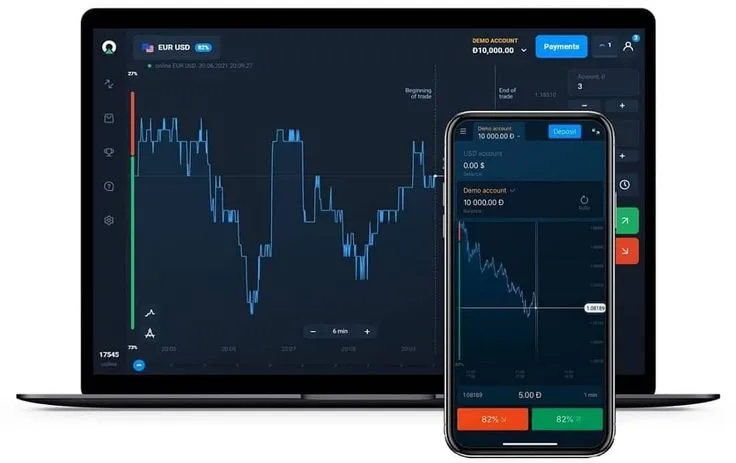
Online forex trading allows people to participate in the foreign exchange market through internet-based trading platforms. Instead of visiting a physical location, traders can monitor currency pairs, study price movements, and place orders through a computer or mobile device. The market operates across different financial centers and is influenced by economic announcements, interest rates, political developments, and global sentiment. Beginners should first understand how currency pairs work and why prices move before becoming focused on individual trading strategies or short-term opportunities.
How Currency Pairs Work
Forex trading involves buying one currency while simultaneously selling another, which is why currencies are quoted as pairs. A pair such as EUR/USD shows the relationship between the euro and the US dollar, while other combinations can involve currencies from different regions. The first currency is known as the base currency, while the second is the quote currency. Understanding this structure helps beginners read price movements more confidently and recognize what a changing exchange rate actually represents during a trading session.
Starting With a Trading Demo Account
A trading demo account can provide beginners with a practical way to explore forex markets before using real money. Demo accounts generally simulate market activity and allow users to become familiar with charts, orders, positions, and account functions. This practice can be useful because reading about trading concepts is different from actually navigating a trading platform. Beginners can use the experience to understand how different order types work, how positions appear after opening, and how market prices can change during active periods.
Learning How Orders Work
Understanding orders is an important part of learning forex because different order types can produce different results depending on market conditions. Market orders are generally designed to enter or exit a position at available prices, while pending orders can be set around specific price levels. Beginners should take time to understand these functions instead of placing trades simply to test the platform. Practicing different order types in a demo environment can make the process less confusing before traders consider participating with actual funds.
Paying Attention to Market Factors
Currency prices can react quickly to economic and financial developments, so traders should understand the factors that influence exchange rates. Central bank decisions, inflation figures, employment reports, economic growth, and geopolitical events can all affect market expectations. A currency may strengthen or weaken when traders change their views about a country’s economic outlook. Following reliable market information can therefore help beginners understand why prices move, although no analysis can predict every market change with complete certainty.
Understanding Spreads and Trading Costs
The difference between a currency pair’s buying and selling price is commonly known as the spread. This is one of the basic costs traders should understand when learning how forex platforms operate. Depending on the account and market conditions, spreads can change during different periods of the trading day. Other charges may also apply depending on the platform, instrument, or account structure. Reviewing these details beforehand helps beginners understand that trading involves costs even when a position appears relatively small.
Building a Practical Learning Routine
Beginners can benefit from creating a simple learning routine rather than jumping between unrelated strategies. A useful routine might include reviewing major currency pairs, checking economic developments, studying charts, practicing order placement, and recording observations after each session. Keeping notes can help traders identify repeated mistakes and understand how their decisions develop over time. Demo practice can support this process, but users should remember that simulated trading cannot fully reproduce the emotional pressure associated with managing real money in changing market conditions.
Conclusion
Learning forex trading is easier when beginners focus on understanding the market before trying to develop complex strategies. Currency pairs, orders, spreads, economic events, and platform functions all deserve attention during the early stages. Practice can also help users become more comfortable with the practical side of trading while developing better habits. btcdana.com provides trading resources and platform features that users can explore while learning about online markets. A patient approach, realistic expectations, and careful attention to risk can create a stronger foundation for future trading decisions.